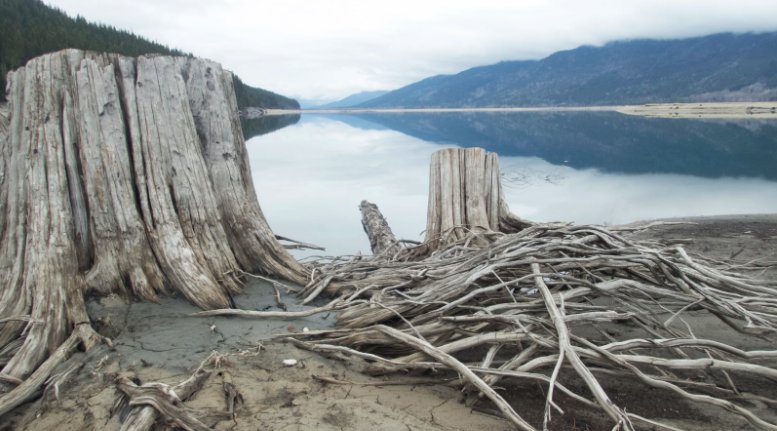
The River Remembers: Slow Violence in Genevieve Robertson’s Still Running Water
This essay examines Genevieve Robertson’s Still Running Water through Rob Nixon’s concept of slow violence, asking how the video transforms hydroelectric intervention into an aesthetic experience of duration, concealment and ecological memory. Through its quiet images of dams, reservoirs, submerged sites and moving water, the work refuses dramatic catastrophe and instead reveals environmental harm as something gradual, hidden and accumulated. At the same time, Robertson’s video complicates the idea of slow violence by presenting the Columbia River not only as a damaged landscape, but as an active presence that continues to move, remember and resist containment.
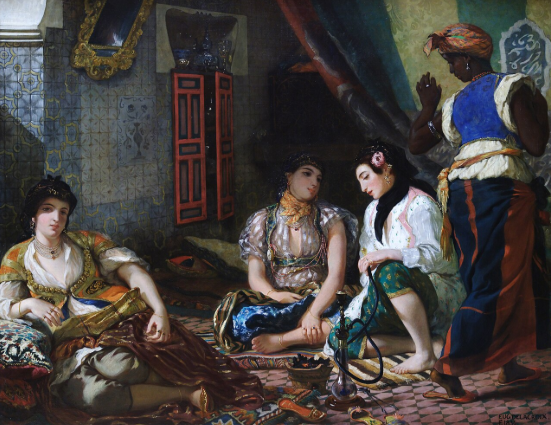
Beauty and Empire: Formalist and Postcolonial Readings of Delacroix’s Women of Algiers in Their Apartment
This essay examines Eugène Delacroix’s Women of Algiers in Their Apartment through the tension between visual pleasure and colonial critique. The painting seduces the viewer through colour, atmosphere, texture and stillness, creating what may first appear to be an intimate and poetic domestic scene. A formalist reading helps explain how Delacroix produces this beauty through painterly surface, composition, fabric, ornament and light. However, a postcolonial reading reveals that this beauty cannot be separated from the colonial conditions of the painting’s production. Created after the French invasion of Algeria, the work opens a private Algerian female interior to the European gaze, transforming intimacy into visual possession. Therefore, the painting’s power lies not only in its aesthetic richness, but in the way that richness makes colonial fantasy appear quiet, desirable and emotionally persuasive. In this sense, Women of Algiers shows that beauty and empire are not opposites, rather, beauty becomes one of the ways empire imagines and possesses the world it represents.
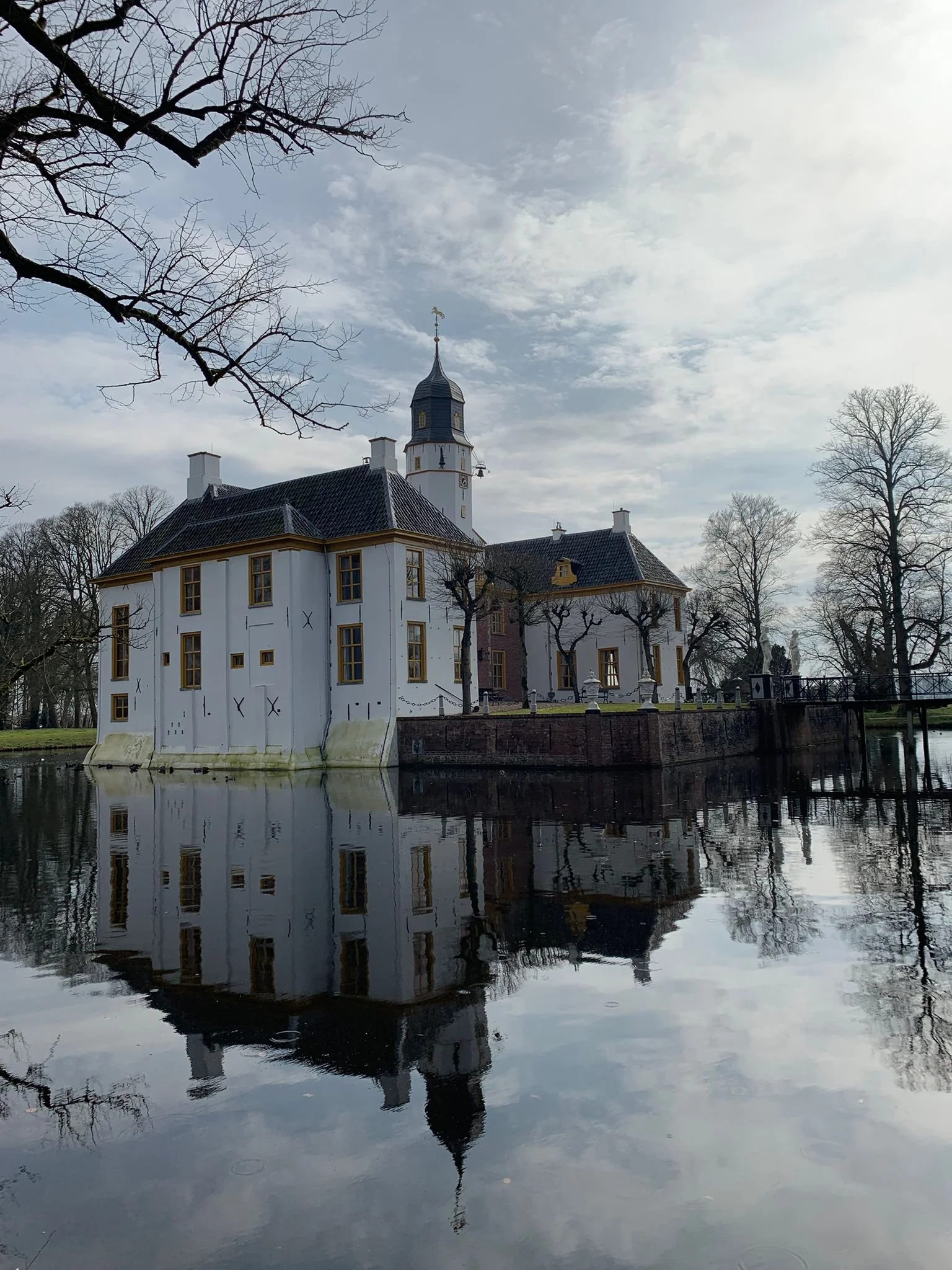
Nature as Design: Landscape Planning, Heritage and Visitor Experience at Fraeylemaborg
This essay examines Fraeylemaborg in Slochteren as a designed cultural landscape and curated heritage site. Through direct observation, it explores how architecture, water, pathways and greenery create a carefully composed visual experience. Drawing on Erik de Jong, Adrian Tinniswood and Orvar Löfgren, the essay argues that Fraeylemaborg is not only a historic estate, but also a staged environment where nature, heritage and tourism meet. At the same time, it reflects on how the estate’s beauty can conceal the labour, hierarchy and social structures behind aristocratic life.
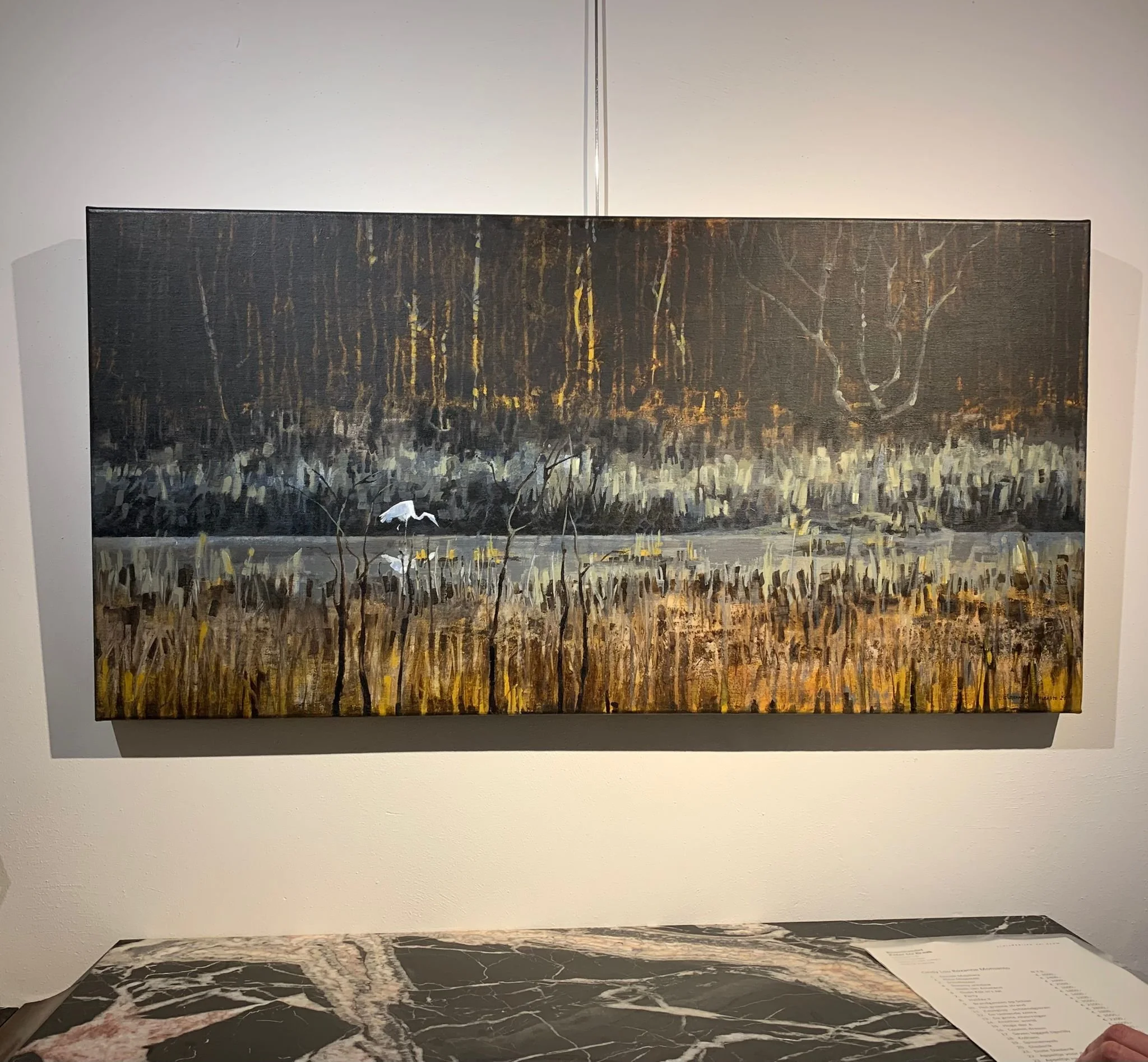
A Landscape That Refuses to Become Only a View: C. L. Roxanne Monsanto, Groningen
Some landscapes do not simply show us nature, they ask us to enter an atmosphere. In C. L. Roxanne Monsanto’s painting, water, reeds, darkness and the pale movement of a bird become more than visual elements - they form a threshold between place and feeling. The work resists easy possession: it does not offer landscape as a view to be consumed, but as something unstable, textured and alive. Through dripping paint, trembling marks and fragile interruptions of light, the painting becomes a meditation on memory, uncertainty and the quiet intensity of looking. Beauty here does not arrive as clarity, but as a flicker - a landscape that seems, for one suspended moment, to be looking back.
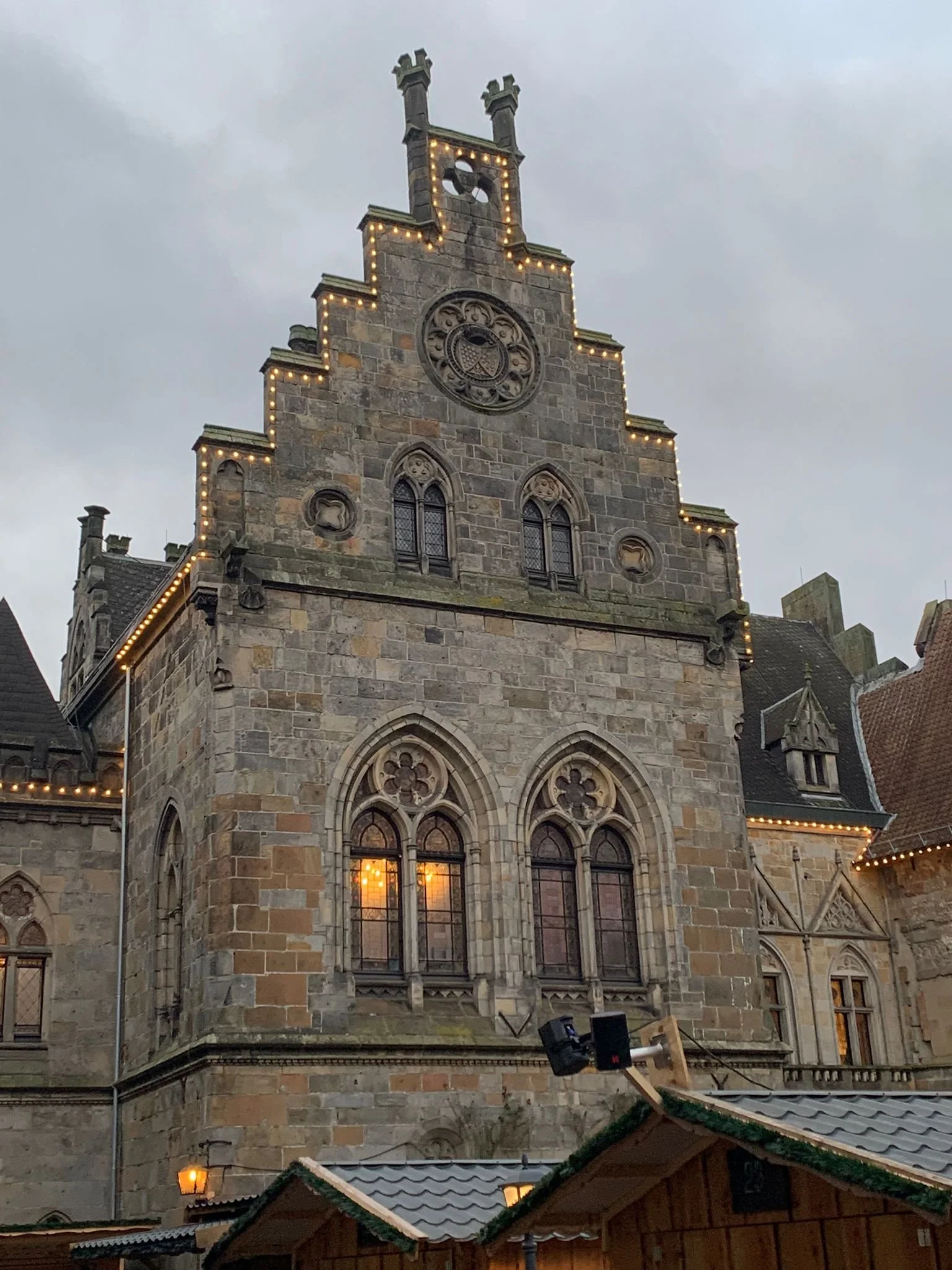
When the Castle Becomes the Curator: Contemporary Art, Memory and the Weight of Place at GOPEA-Kunstraum, Burg Bentheim
When contemporary art is placed inside a historical monument, the viewer is never looking at the artwork alone. At Burg Bentheim, located in Bad Bentheim, Lower Saxony, Germany, the GOPEA-Kunstraum exhibition shows that architecture is not passive. The castle shapes the gaze, slows the body and gives emotional weight to everything inside it. Its history, silence and preserved surfaces become part of the exhibition’s meaning. The artworks do not simply occupy the castle, they enter into dialogue with it, making the monument feel less like a closed historical object and more like a living space that can still be questioned, reinterpreted and awakened.
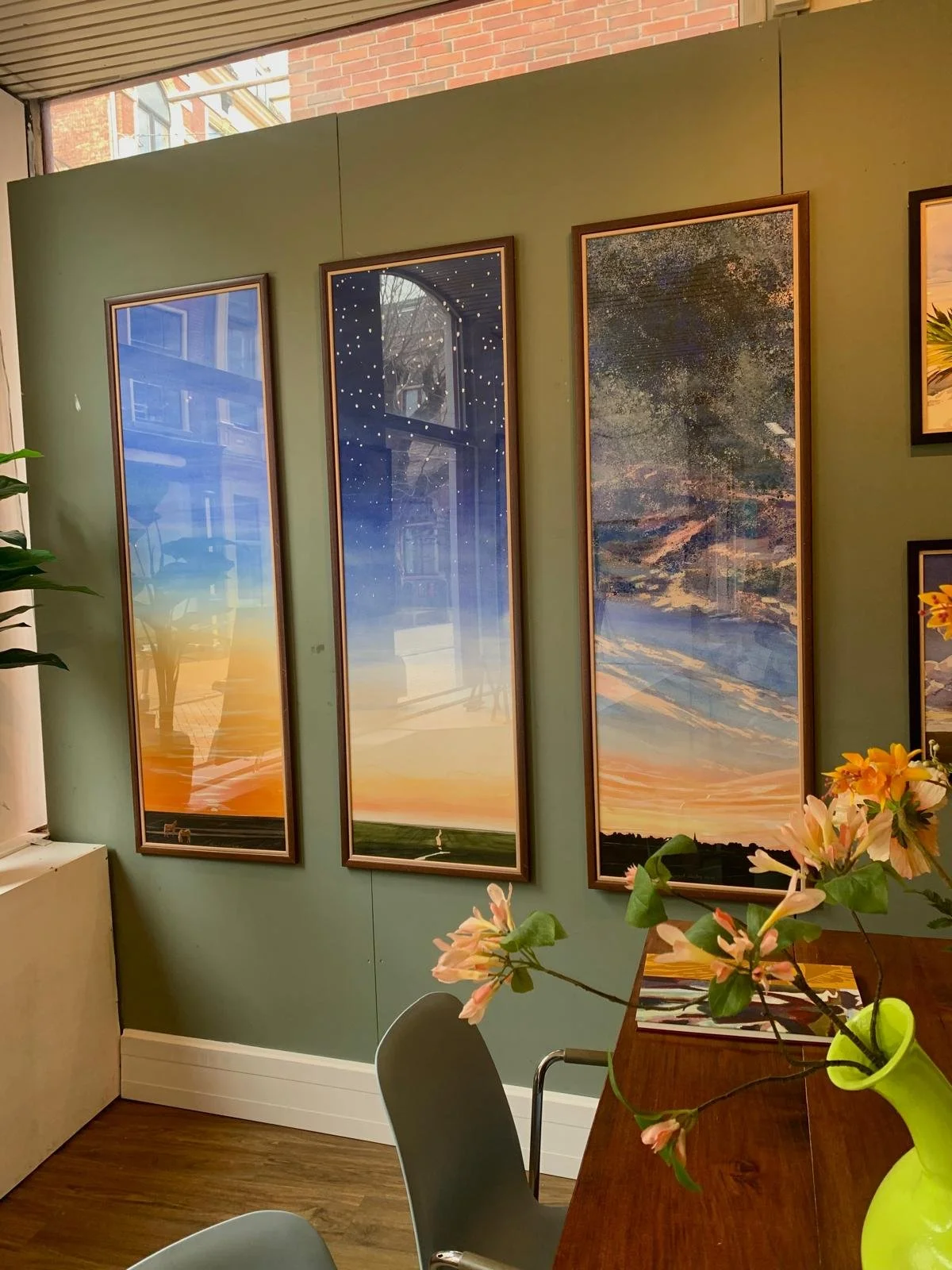
Three Temperatures of Sky: Atmosphere, Horizon and Emotional Transition in Gerard Oostra
Standing before these paintings by Gerard Oostra, I was struck not by dramatic narrative, but by atmosphere. Each canvas seemed to hold a different emotional temperature of the same horizon: one quiet and surrendering, one inward and reflective, one darker and more unsettled. Though similar in composition, they do not repeat one another. Instead, they deepen one another through subtle shifts in colour, texture and mood. This essay explores how Oostra’s paintings move between stillness and tension and how their shared skies become spaces not only of landscape, but of feeling.
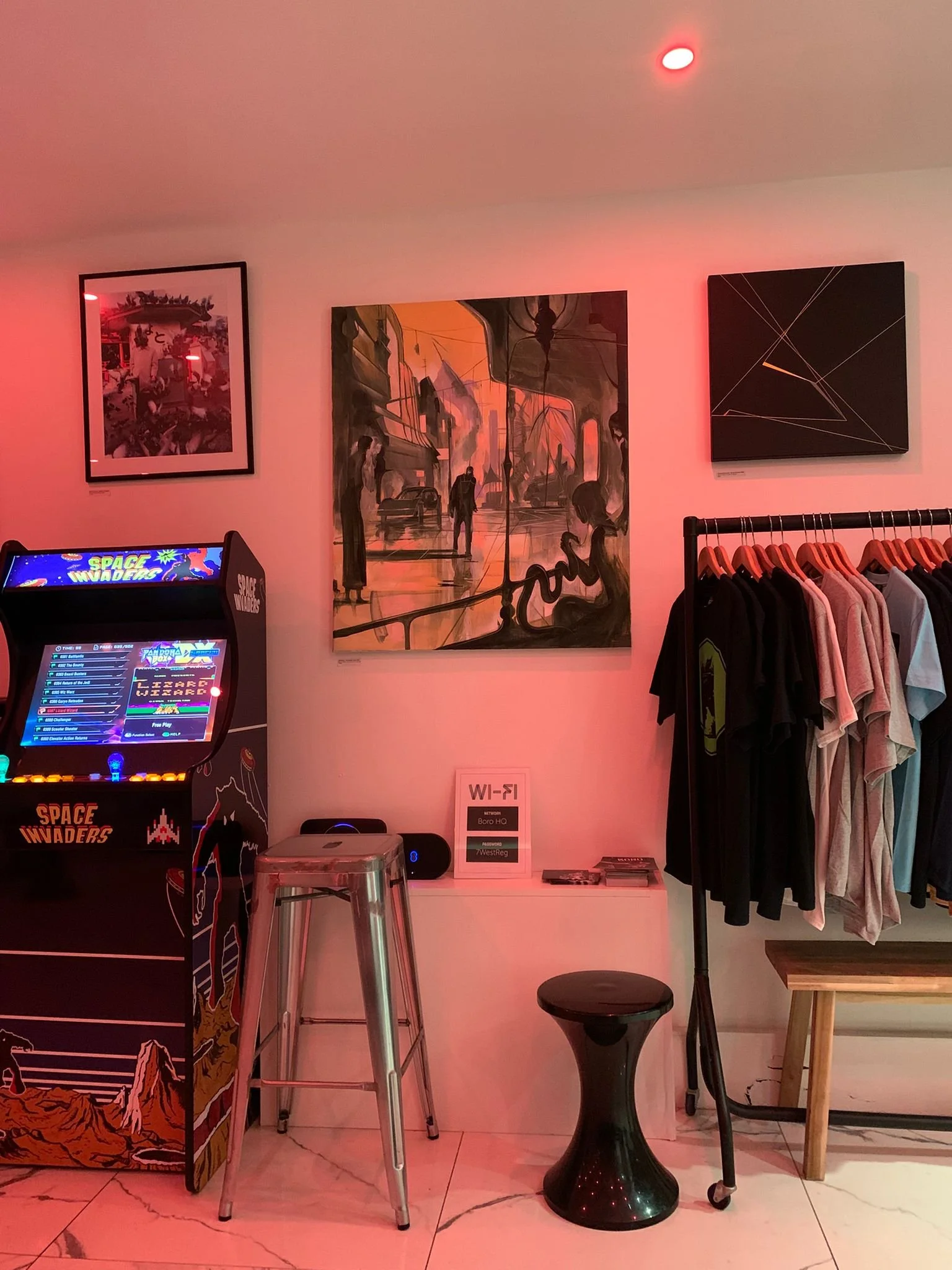
Lingering in the Heat of The Reptile House (Will Baras, 2025)
In The Reptile House, Will Baras rejects the descriptive logic of urban representation in favor of a spatial language of instability and affect. Architectural forms, reflective ground, dispersed figures and black serpentine lines are rendered not as components of a coherent cityscape, but as fragments of an environment shaped by psychological tension. The result is a city that appears both, constructed and dissolving, familiar, yet estranging. Through this visual uncertainty, Baras stages the urban image as a site of unease, where enclosure, surveillance and instinct persist beneath the surfaces of modern life.
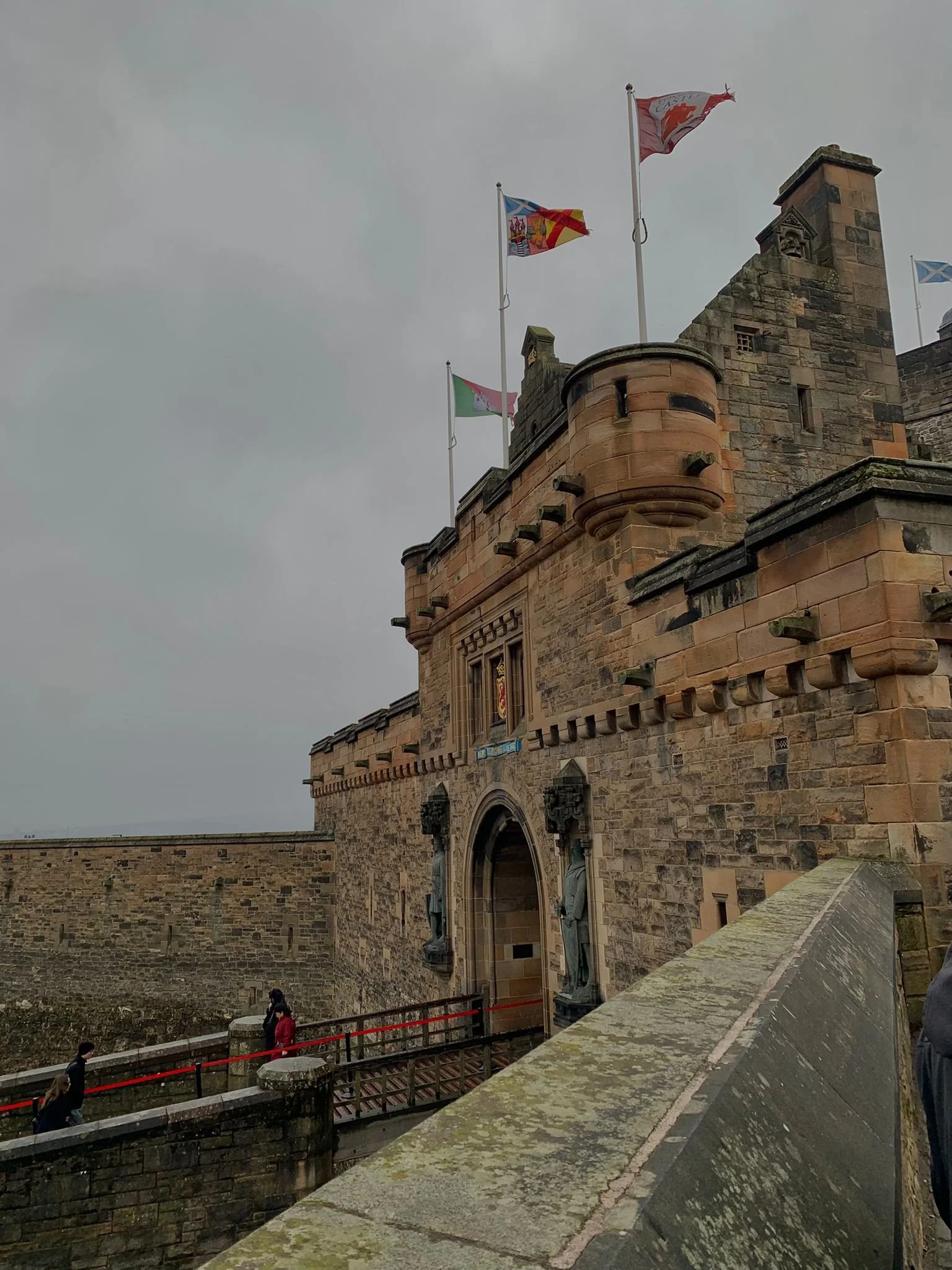
Stone Sediment, Living Memory: The Architecture of Edinburgh Castle
Edinburgh Castle rises as though the city’s own thoughts have hardened into stone. It is not a single statement preserved, but a layered text - centuries pressed together like sediment, each era leaving behind its grain, its fractures, its stubborn weight. To look at the castle is to read time in masonry: geology becoming strategy, strategy becoming symbol and memory settling into mortar.
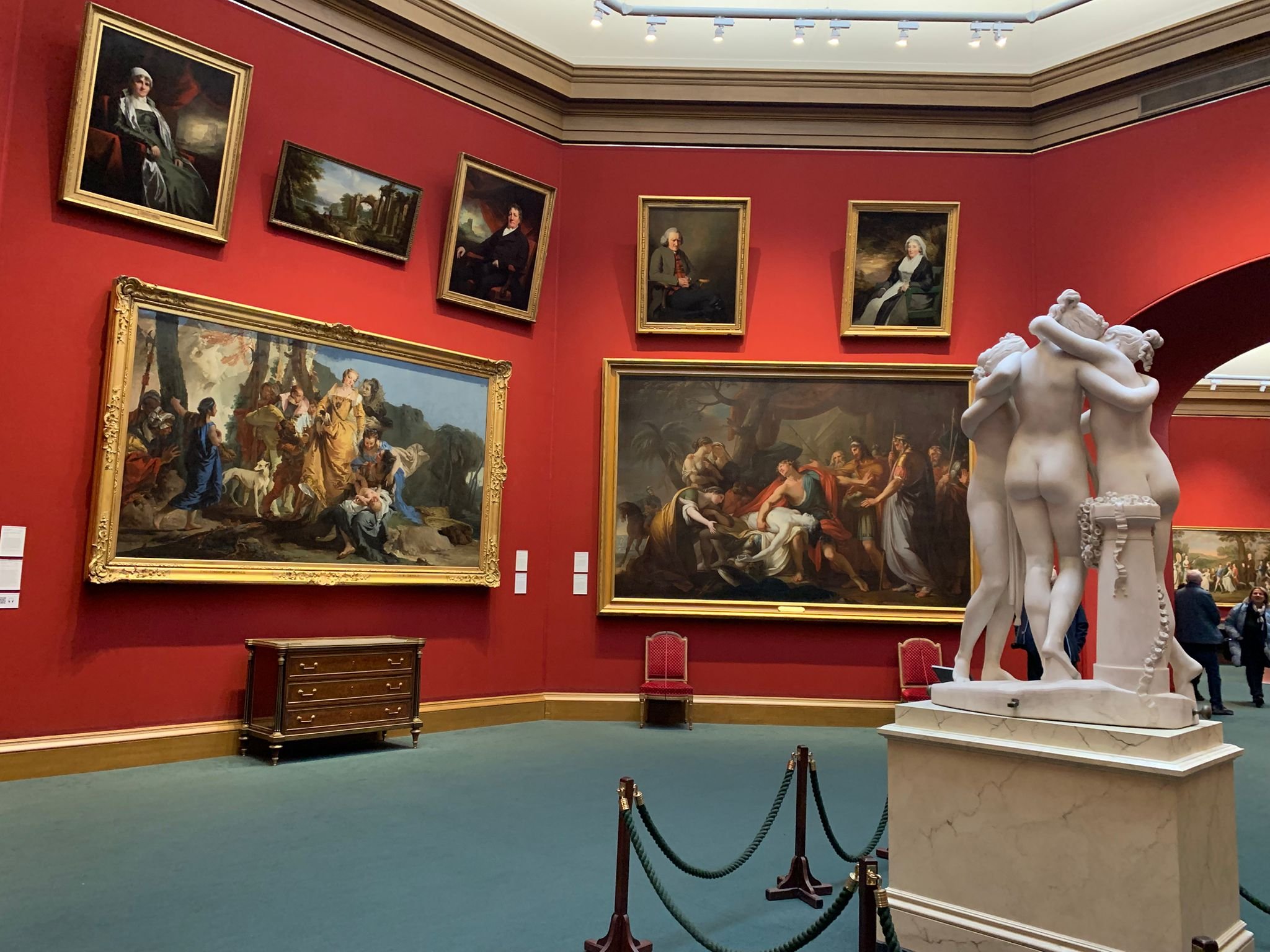
The Room as Argument: Looking at Romanticism Inside the Scottish National Gallery
There are rooms in museums that feel less like galleries and more like climates. In the Scottish National Gallery’s red-walled spaces, paintings do not simply hang - they converse, compete and echo across gilded frames. Before you read a label, the room has already begun to tell you, what kind of looking is required: slower, more attentive, more willing to be moved. Meaning is produced not only by the artworks, but by the choreography of display - wall colour, spacing, light and the way your body is asked to pause, circle and begin again.
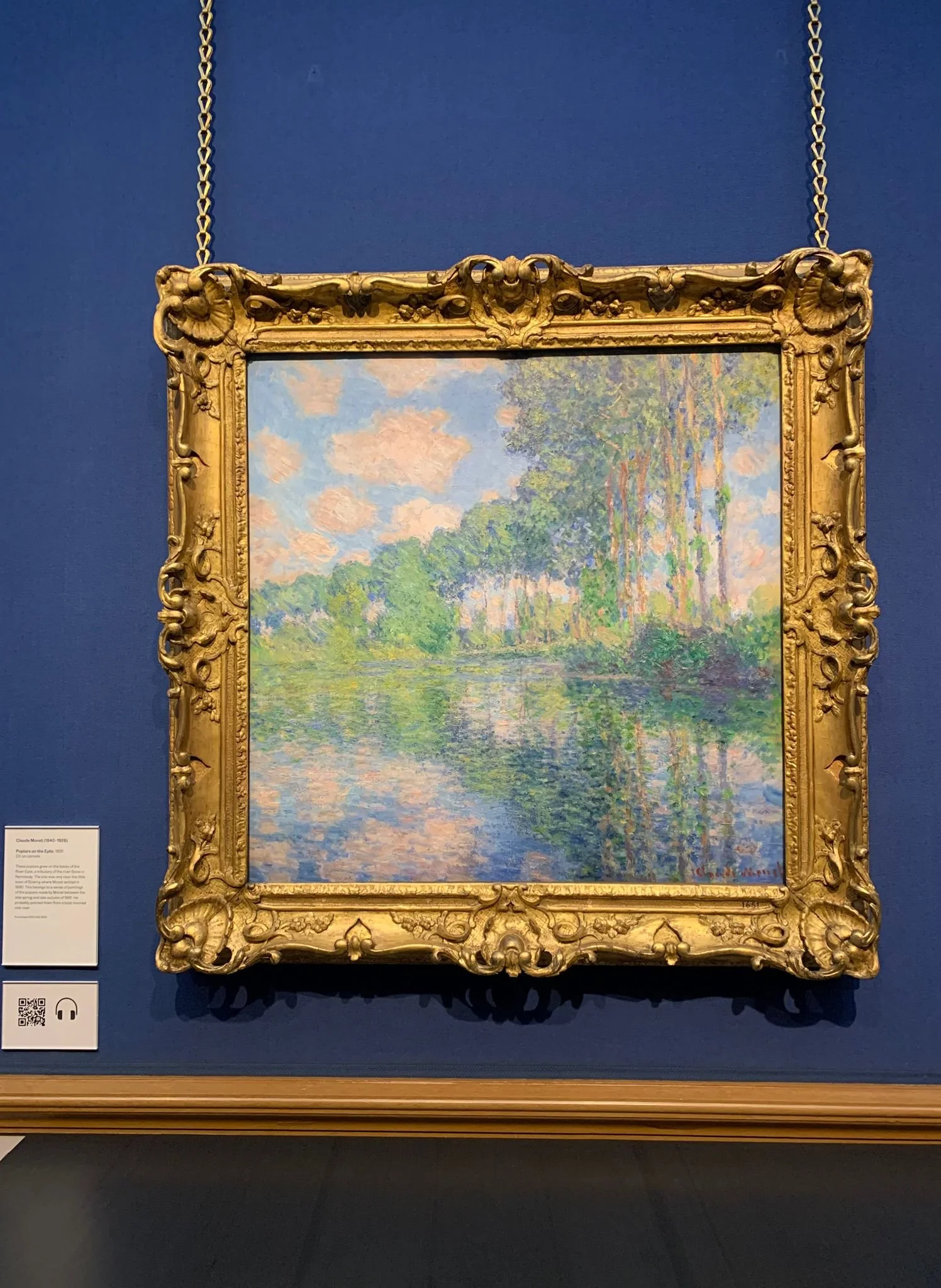
Where the River Learns to Mirror the Sky: Claude Monet’s Poplars on the Epte (1891)
A gilded frame can feel like a promise - something sealed, steadied, made permanent. But Monet offers no such reassurance. Standing before Poplars on the Epte, I feel weather more than stillness, minutes more than monument. The painted surface quivers with a light that refuses to repeat itself, turning trees and water into a single, breathing moment.
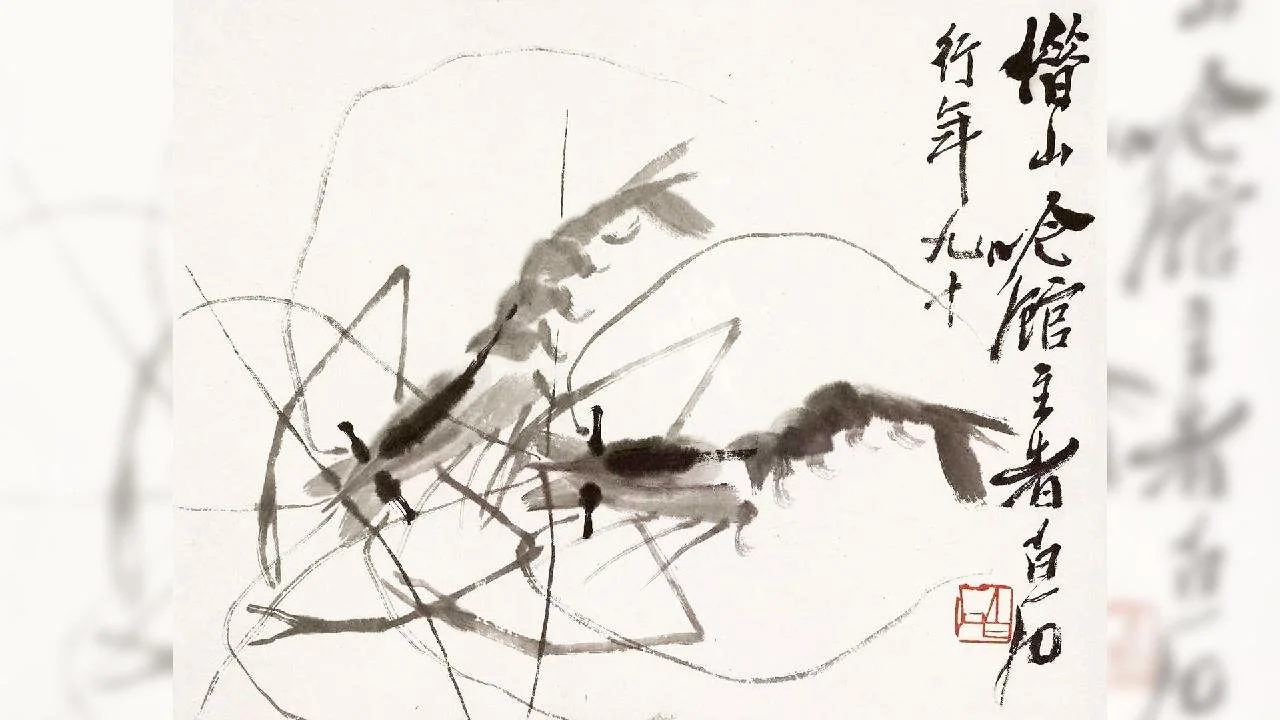
Between Scroll and Ruin: Tradition, Iconoclasm and the Making of Art in China
Imagine walking through China’s twentieth century as if it were a single exhibition. In one room, Qi Baishi’s shrimp hover in pale ink - so little pigment, and yet an entire tradition pulses in the wrist: brush pressure, empty space, the quiet confidence of forms that have survived dynasties. In the next, Dong Xiwen’s The Founding Ceremony of the Nation lifts Mao onto a bright balcony, oil paint and perspective mobilized to make history look inevitable. Turn a corner and the gallery fills with books and hanging scrolls, but Xu Bing has removed the possibility of reading: thousands of characters that resemble Chinese dissolve into pure surface, the authority of writing becoming a beautiful void. And then, abruptly, a three-frame sequence: Ai Weiwei releases a Han urn, and the past breaks on the floor.
This essay argues that art in modern and contemporary China lives in these collisions, between tradition and modernity, preservation and rupture, where aesthetics becomes a battleground for memory and power.
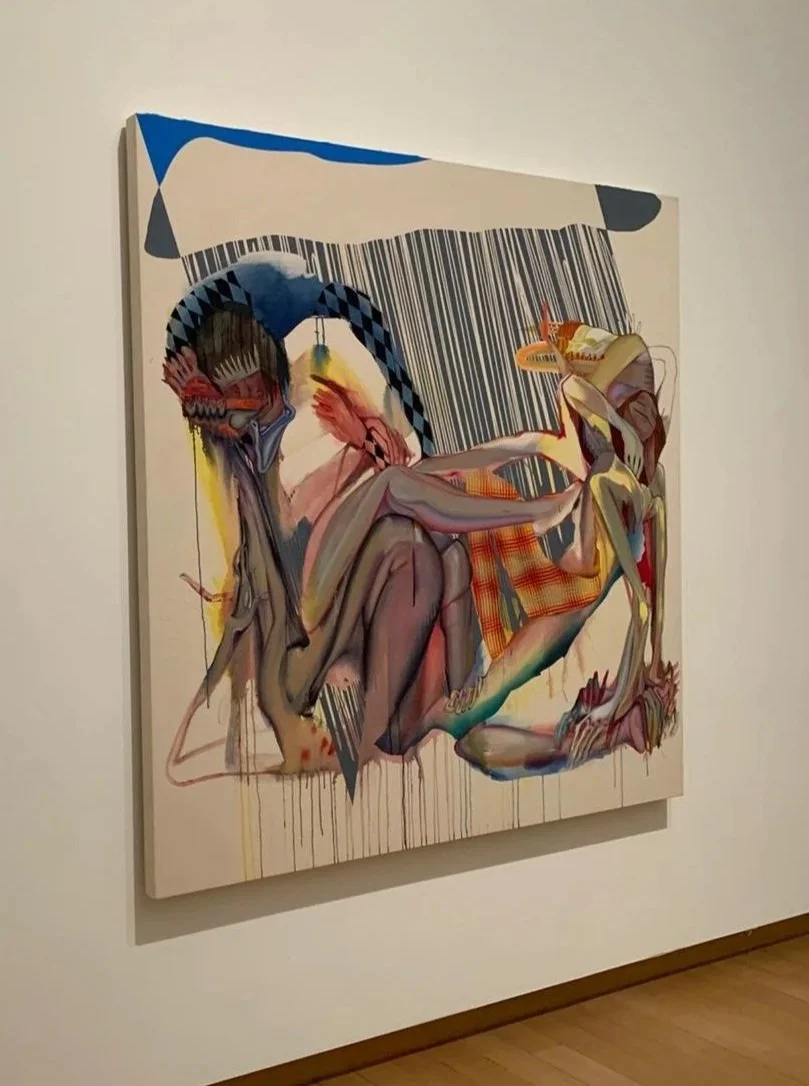
Silver Linings, Split Bodies: Standing Before Christina Quarles at the Stedelijk
In Ev’ry Silver Lining Has its Cloud (2024), Christina Quarles stages a body that will not stay still - splitting, doubling and sliding down the canvas, as if it might spill into the gallery itself. Hung almost alone on a wide white wall in the Stedelijk’s Tomorrow is a Different Day presentation, the painting turns the room into a small, uncertain stage, where identities buckle under the weight of being seen and misread at once. Rather than offering consolation, Quarles inverts the familiar proverb and leaves us with something more demanding: an invitation to linger in the in-between, where joy drags its shadows and clarity never quite arrives.
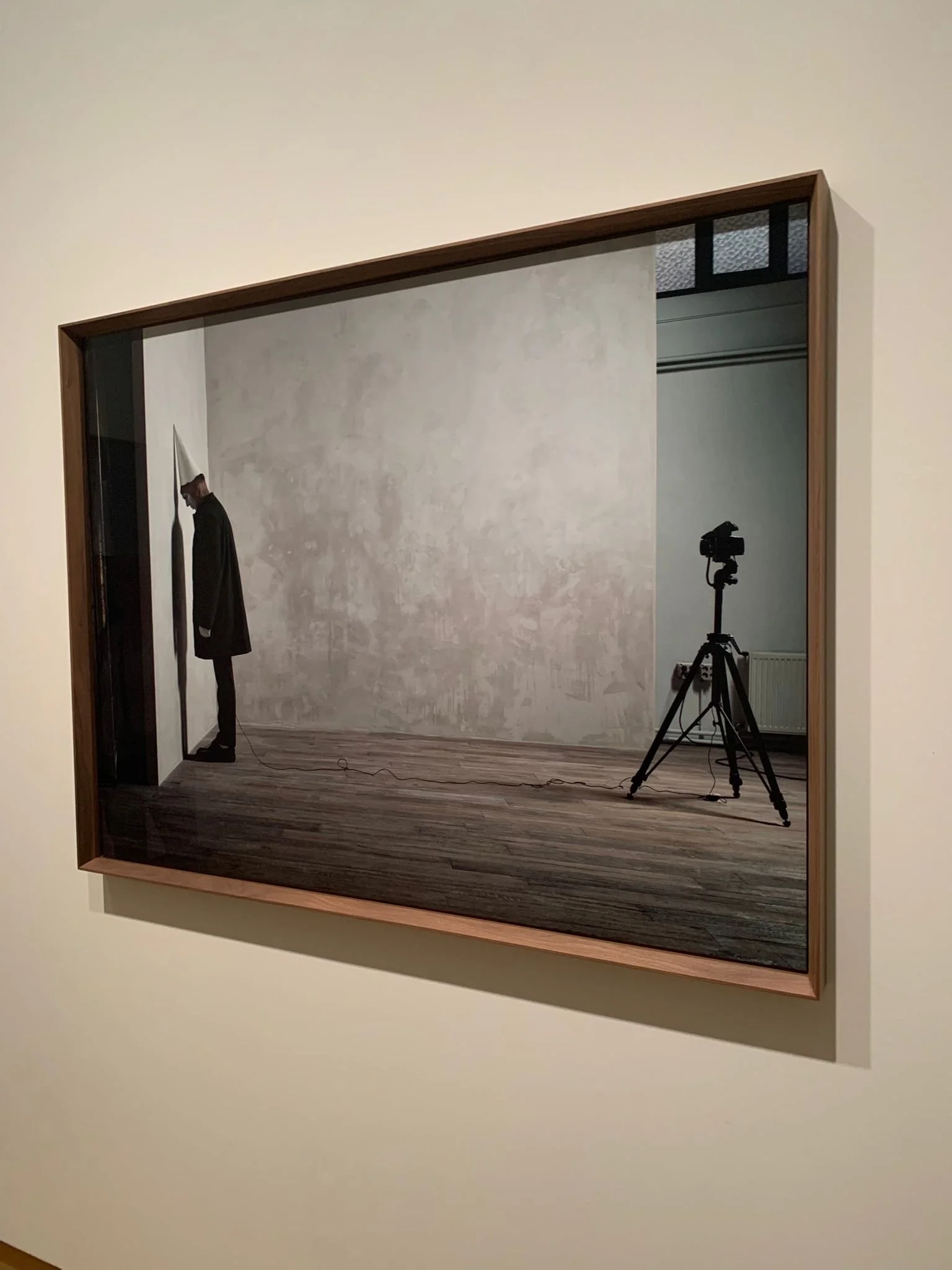
Standing in the Corner at 11:15 a.m.
At 11:15 a.m., in the soft light of an unremarkable room, a man chooses the corner and lets a camera watch him do it. Inge Meijer’s 11:15 a.m., 2020 turns a simple gesture - standing with your face to the wall, a foolish white cone on your head - into a small atlas of the year when self-discipline, isolation and performance blurred into one. Between the man and the tripod stretches a strip of empty floor, a measured distance, where shame, humour and endurance quietly negotiate who is really in control.
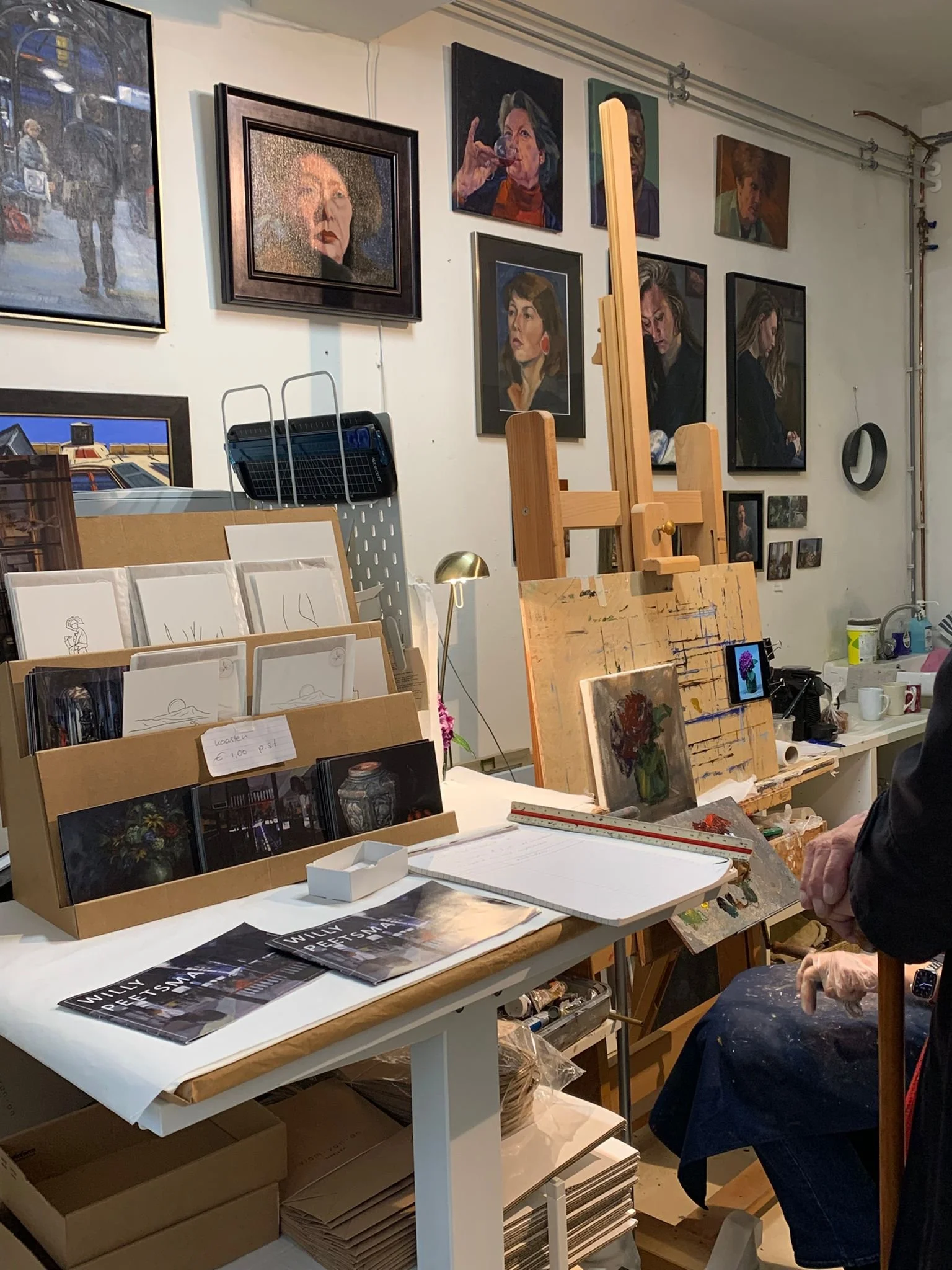
The Room Where Colour Decides Itself
Inside a small studio a painter turns quietly back to her easel, mixing colour and touching the canvas with slow confidence. Around her, portraits line the walls like silent witnesses, watching as another image begins to appear. For a moment the whole room feels like it is breathing in time with her brush.
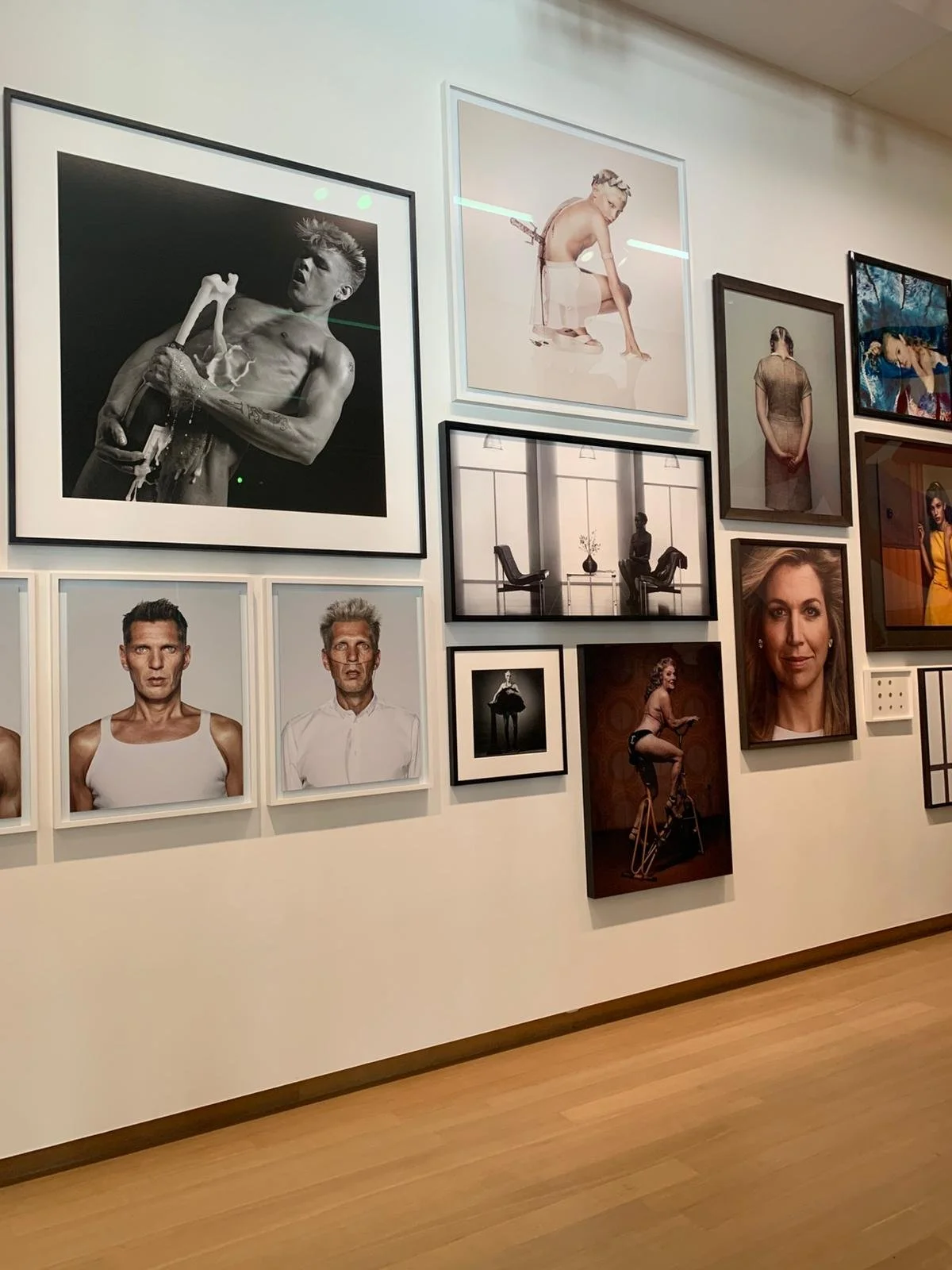
A Gallery of Carefully Broken Rules - Erwin Olaf - Learning the Shape of Freedom
The word FREEDOM is printed in clean black letters on the wall, yet nothing in Erwin Olaf’s photographs feels loose. Bodies are sculpted, faces held in careful poses, light and shadow disciplined into perfection. In this Amsterdam gallery, freedom is not a carefree state but a performance under pressure - a series of staged images, where people insist on being seen, even when it hurts.
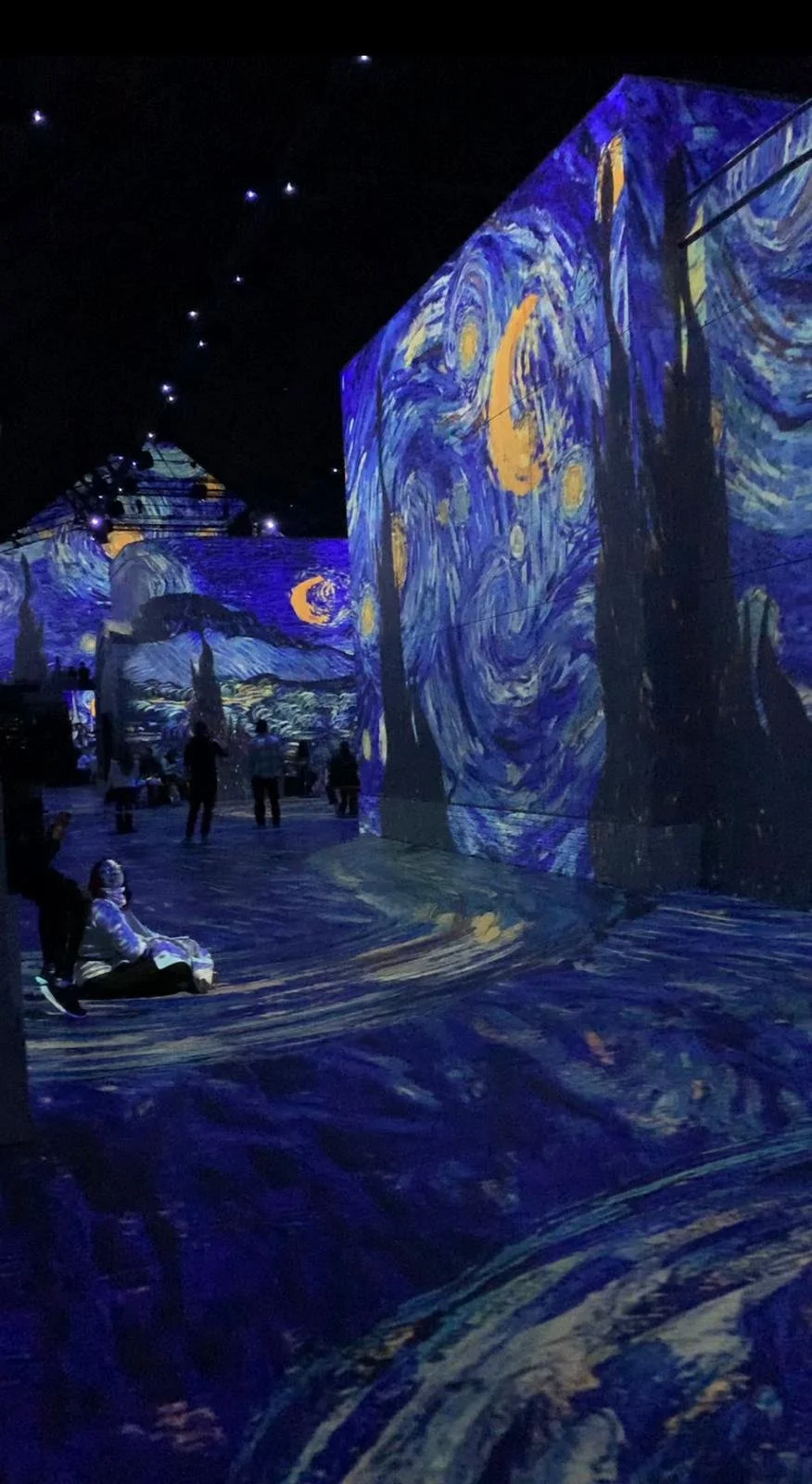
When a Painting Becomes a Room - Experiencing Van Gogh’s Starry Night at Fabrique des Lumières, Amsterdam
In a former gas factory in Amsterdam, Van Gogh’s Starry Night slips its frame and turns into an atmosphere you can walk through. Walls, floor and ceiling dissolve into swirling blues and golds, until you are no longer looking at a painting but standing inside the weather of his mind. For a few minutes, the night sky becomes a room and everyone in it a small silhouette under his restless stars.
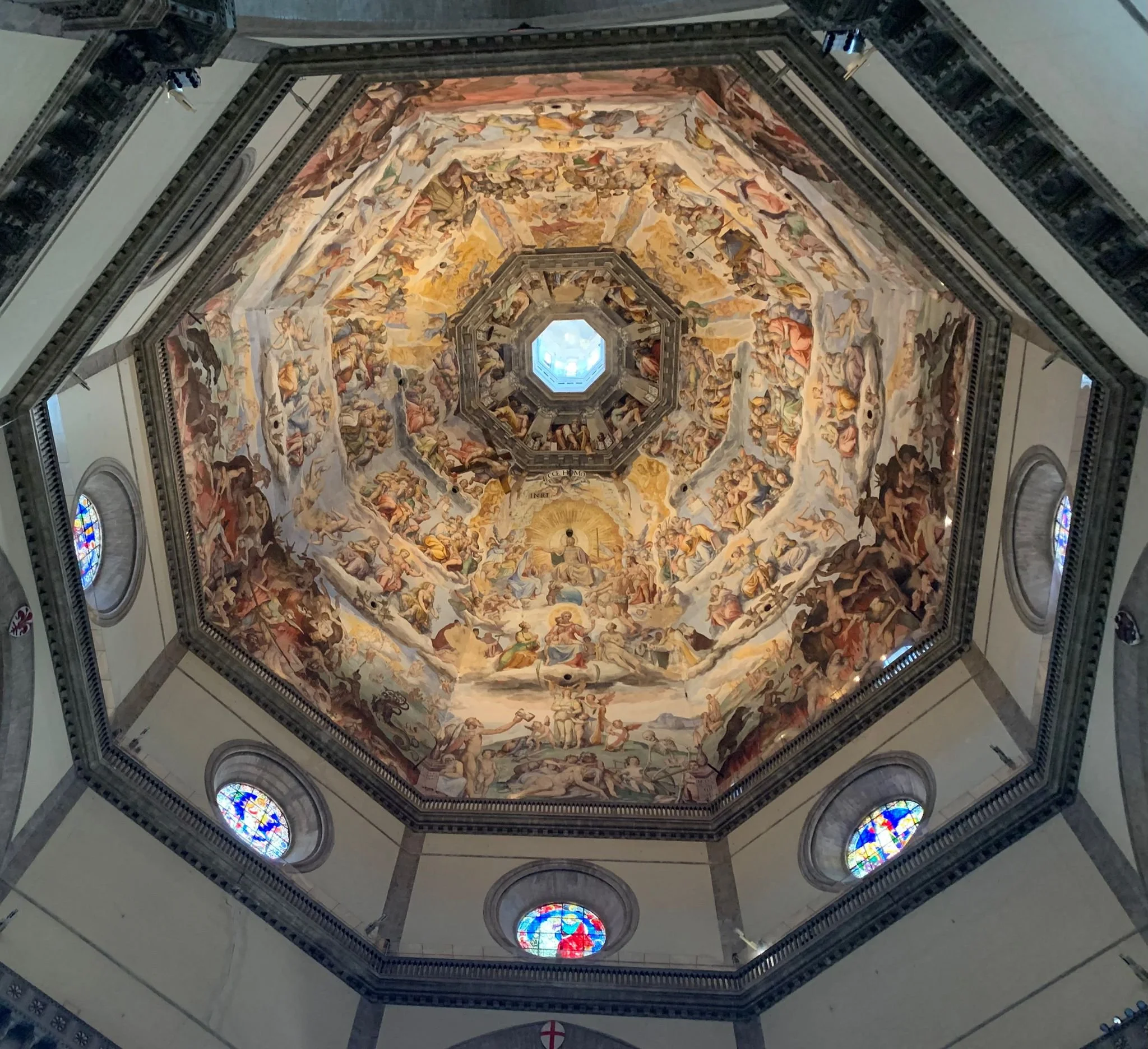
A Ceiling of Judgment, A Sky of Grace: Interpreting Vasari and Zuccari’s Last Judgment
To gaze upon this fresco is to bear witness not merely to the Last Judgment, but to the human condition itself - our frailty, our longing, our search for grace. Suspended between heaven and earth, the dome becomes both a visual sermon and a mirror of the soul. Beneath its celestial eye, we are not just spectators, but participants in a vast, unfolding drama of light, shadow and spiritual yearning.
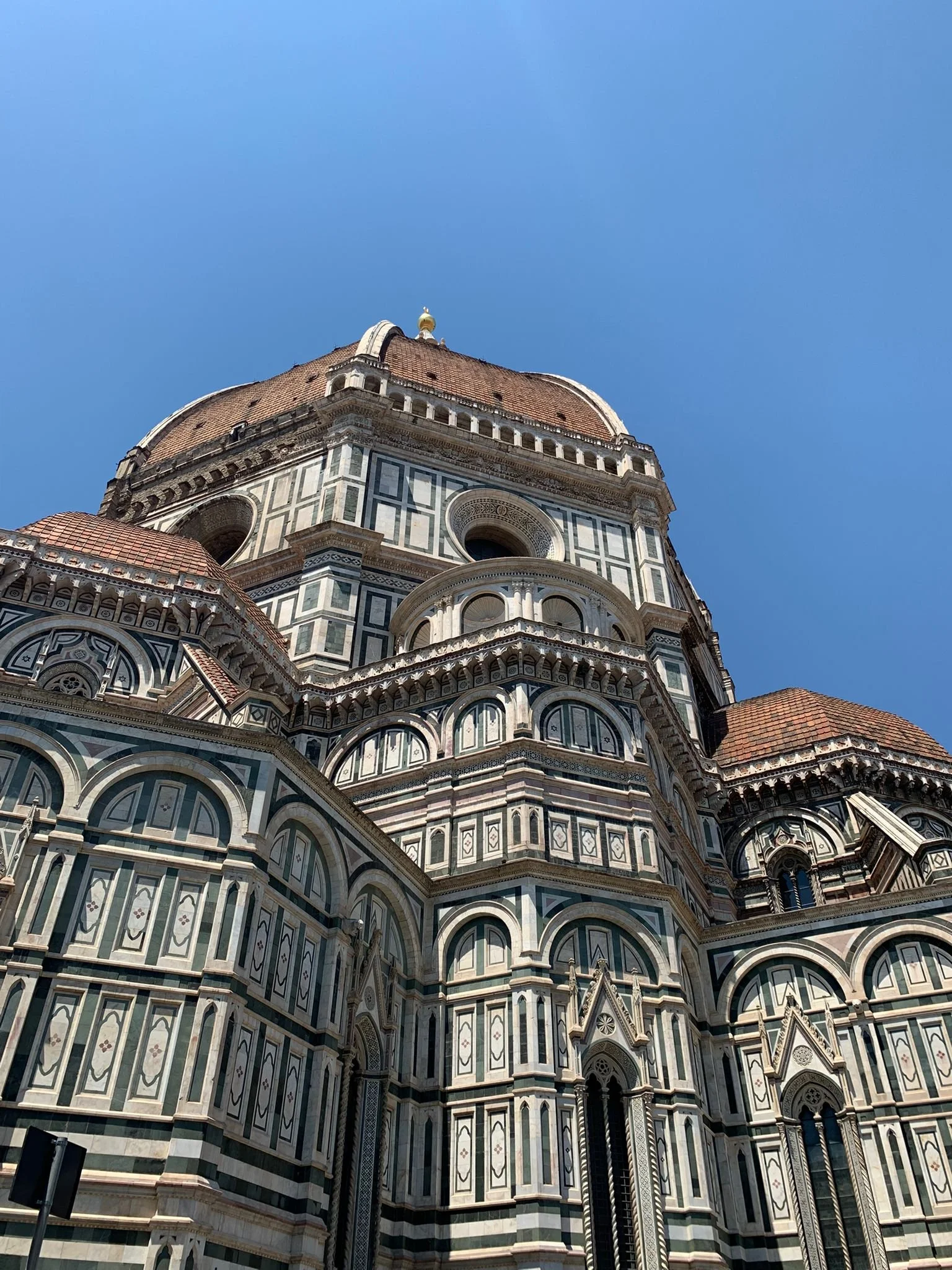
The significance of Brunelleschi's dome at Florence Cathedral
Brunelleschi’s dome at Florence Cathedral stands as a triumphant fusion of engineering ingenuity, humanist ideals and artistic vision - an enduring symbol of the Renaissance spirit and humanity’s boundless creative potential.
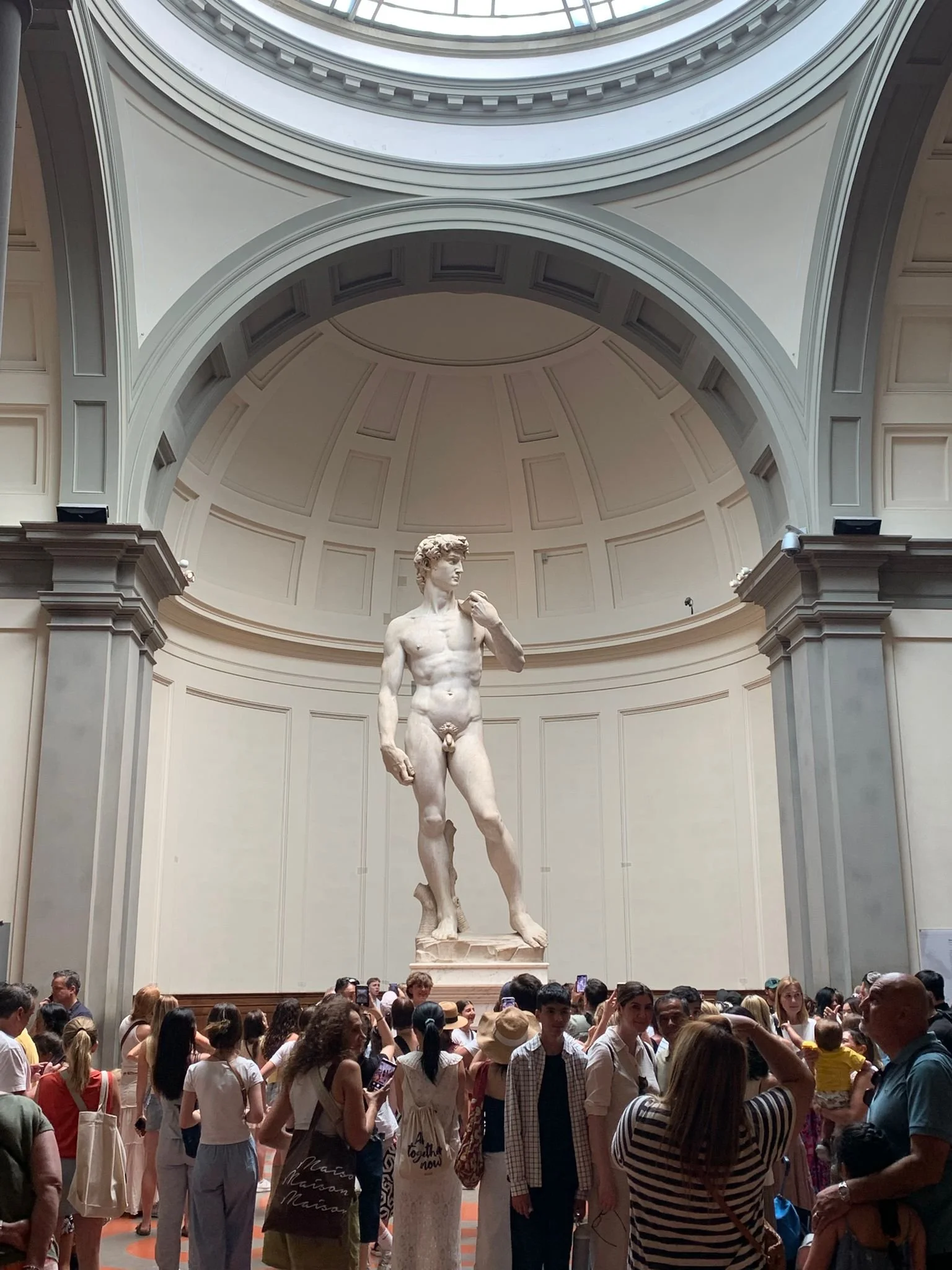
Michelangelo’s David: A Marble Symphony of Strength and Elegance
Michelangelo’s David is not merely a masterpiece of sculpture, but a profound embodiment of Renaissance ideals - uniting physical perfection, intellectual contemplation and spiritual dignity in a single, timeless moment of poised humanity.

Divine Judgment and Civic Fragility: Nicolas Poussin’s “The Plague at Ashdod”
Poussin’s The Plague at Ashdod (1630) is not just a scene, but a warning. Under a sky torn by divine wrath, a city collapses into chaos. Bodies writhe, prayers vanish and judgment descends in silence.